
The heroic and often tragic stories of American whalemen were renowned. They sailed the world’s oceans and brought back tales filled with bravery, perseverance, endurance, and survival. They mutinied, murdered, rioted, deserted, drank, sang, spun yarns, scrimshawed, and recorded their musings and observations in journals and letters. They survived boredom, backbreaking work, tempestuous seas, floggings, pirates, putrid food, and unimaginable cold. Enemies preyed on them in times of war, and competitors envied them in times of peace. Many whalemen died from violent encounters with whales and from terrible miscalculations about the unforgiving nature of nature itself. And through it all, whalemen, those “iron men in wooden boats” created a legacy of dramatic, poignant, and at times horrific stories that can still stir our emotions and animate the most primal part of our imaginations. “To produce a mighty book, you must choose a mighty theme,” proclaimed Herman Melville, and the epic story of whaling is one of the mightiest themes in American history.

Eric Jay Dolin’s Books
Similar authors
-
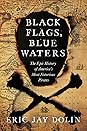 Black Flags, Blue Waters: The Epic History of America's Most ...
3.76 5,013 ratings reviewsPublished 2018 12 Editions
Black Flags, Blue Waters: The Epic History of America's Most ...
3.76 5,013 ratings reviewsPublished 2018 12 Editions -
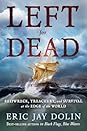 Left for Dead: Shipwreck, Treachery, and Survival at the Edge...
3.96 2,004 ratings reviewsPublished 2024 7 Editions
Left for Dead: Shipwreck, Treachery, and Survival at the Edge...
3.96 2,004 ratings reviewsPublished 2024 7 Editions -
 A Furious Sky: The Five-Hundred-Year History of America's Hur...
4.06 1,754 ratings reviewsPublished 2020 9 Editions
A Furious Sky: The Five-Hundred-Year History of America's Hur...
4.06 1,754 ratings reviewsPublished 2020 9 Editions -
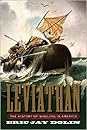 Leviathan: The History of Whaling in America
4.06 1,658 ratings reviewsPublished 2007 26 Editions
Leviathan: The History of Whaling in America
4.06 1,658 ratings reviewsPublished 2007 26 Editions -
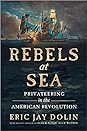 Rebels at Sea: Privateering in the American Revolution
3.85 1,152 ratings reviewsPublished 2022 7 Editions
Rebels at Sea: Privateering in the American Revolution
3.85 1,152 ratings reviewsPublished 2022 7 Editions
Related News

Readers’ Most Anticipated Books of Summer…and the Rest of the Year!
It’s time once again, gentle reader, for our annual Big Books of Summer celebration, in which we offer a genre-sorted selection of the...
549 likes · 0 comments
Author Details
Quotes
American whale oil lit the world. It was used in the production of soap, textiles, leather, paints, and varnishes, and it lubricated the tools and machines that drove the Industrial Revolution. The baleen cut from the mouths of whales shaped the course of feminine fashion by putting the hoop in hooped skirts and giving form to stomachtightening
and chest-crushing corsets. Spermaceti, the waxy substance from the heads of sperm whales, produced the brightest- and cleanest-burning candles the world has ever known, while ambergris, a byproduct of irritation in a sperm whale’s bowel, gave perfumes great staying power and was worth its weight in gold.
Over time, it is all too common for people to lose touch with their heritage, as the thrill and immediacy of the present crowds out the echoes and lessons of the past. It would be a shame if that were to happen with respect to the fur trade. It is a seminal part of who we are as a nation, and how we came to be.